socratic questioning in 12 angry men
if you've seen 12 angry men, you'll probably remember how eleven of the twelve jurors were convinced that the defendant was guilty. there was just one person who wasn't ready to agree with everyone else. what i find interesting about the film is that he didn't try to convince the others by arguing against them. instead, he started asking questions. he brought up small details, questioned their assumptions and made them look at the same evidence from a different perspective. slowly, the conversation started to change.
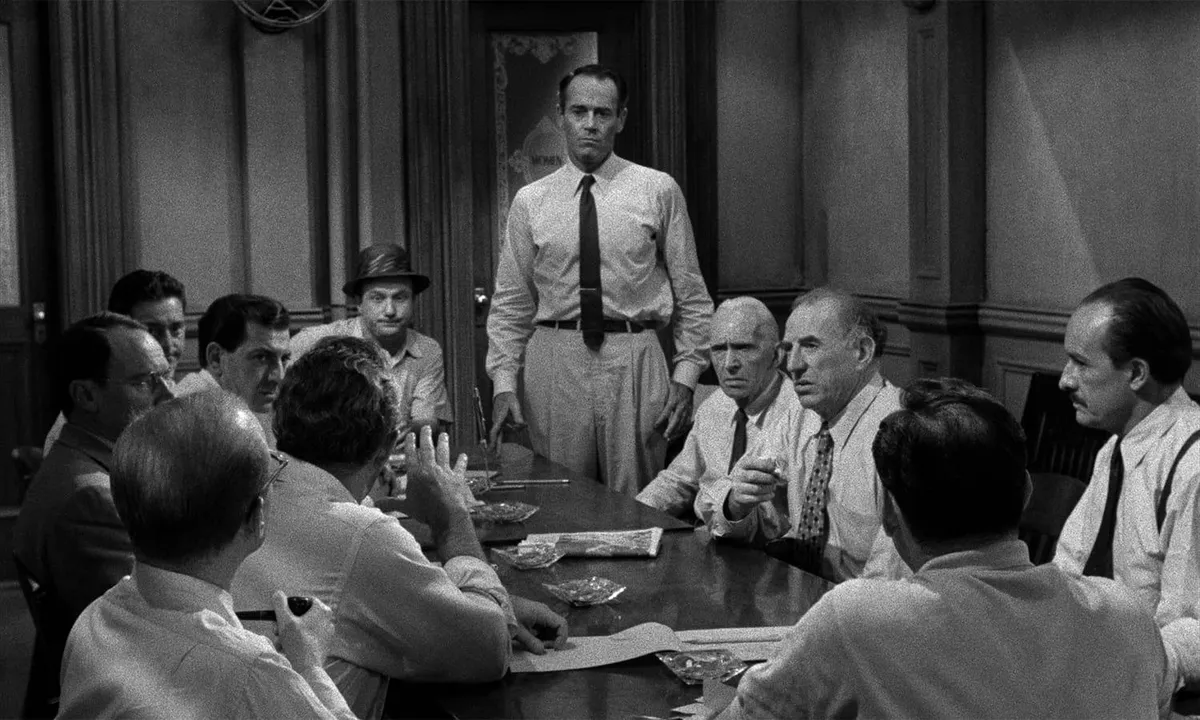
this is socratic questioning. socrates didn't tell people what to think. he asked questions that made them reconsider their beliefs and look more closely at the reasons behind them.
this shifts the focus from winning an argument to understanding how someone else thinks. think about how often we respond to someone we disagree with by immediately explaining why they're wrong.
but there is one other question. was the juror trying to convince the others to adopt his own view through socratic questioning, or was he simply encouraging them to reconsider theirs?
there's an important difference between the two. one is about getting someone to agree with you. the other is about giving them a reason to question what they already believe.
ideally, i think, we should be asking questions, thinking things through together and being willing to accept that the answers might change our own perspective too.